The E
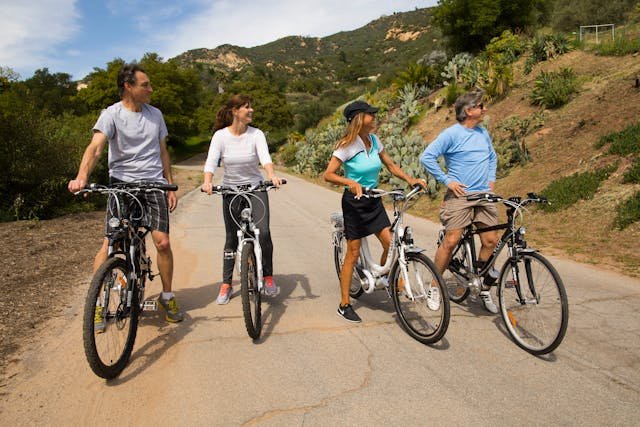
Electric bicycles, commonly known as ebikes, have gained immense traction in recent years for a multitude of reasons. They offer an efficient, environmentally sustainable, accessible, and enjoyable mode of transportation. Ebikes eliminate barriers that may prevent some individuals from using traditional bicycles and encourage even seasoned cyclists to ride with less fatigue for longer distances. The adoption of ebikes not only serves as practical transportation but also contributes positively to health, environmental sustainability, and future urban planning.
Varieties of E-Bikes
Though all e-bikes are equipped with battery-powered acceleration, different models cater to various needs:
Pedal-Assist E-Bikes
Riders can pedal as they normally would, but integrated motors provide additional speed and power when pedaling speed or heart rates reach preset thresholds, significantly reducing exertion—especially on hills. They are excellent choices for both commuting and leisure rides.
Throttle-Controlled E-Bikes
These models allow for quick acceleration without the need for pedaling, enabling riders to rest while the motor keeps the bike moving. This feature is particularly beneficial for those with physical limitations or for those who find themselves exhausted during a ride.
Speed Pedelecs
Designed for performance, these bikes can reach speeds up to 28 mph, offering an electrifying experience for competitive riders, a trend that is gaining popularity in Europe.
Cargo E-Bikes
These robust ebikes feature extended racks and baskets that can transport children, pets, groceries, or business goods, making them invaluable for parents and small business owners alike.
The freedom and flexibility offered by ebikes make owning one a wise investment. However, the benefits extend far beyond mere transportation, encompassing health improvements and significant environmental advantages.
Advantages of E-Bikes
Ebikes enhance the practicality of cycling by providing several benefits such as:
Better Cardiovascular Health
Riding an ebike allows for longer elevated heart rates, which directly contributes to enhanced cardiovascular fitness, improved blood circulation, and increased stamina.
Increased Muscle Strength & Endurance
The additional motor assistance enables riders to pedal faster and cover greater distances, thus improving muscle strength and diminishing fatigue—particularly useful for those with joint pain or limited mobility who might otherwise struggle with standard cycling.
Weight Management & Caloric Expenditure
Research indicates that riding an ebike can burn over 50% more calories compared to walking. The customizable power settings encourage consistent cardiovascular workouts without excessive strain on joints or lungs, making it simpler to meet healthy exercise goals.
Improved Mental Well-Being & Stress Relief
Engaging with nature, physical movement, and achieving goals helps mitigate anxiety and depression, while naturally boosting mood through endorphins and dopamine releases. Any enjoyable physical activity yields positive effects.
Savings & Convenience
Substituting car trips with electric bicycles alleviates fuel expenses, insurance costs, and parking hassles, all while circumventing the frustrations of traffic jams. These savings can be redirected towards leisure activities or even accelerating savings for retirement.
Eco-Friendly Choices
With zero emissions, ebikes greatly reduce environmental impact, leading to cleaner air and healthier ecosystems. As more individuals choose ebikes, communities invest in greener transportation methods.
Greater Inclusivity & Access
The varied levels of motor assistance expand participation opportunities for a wider range of fitness levels and ages compared to traditional bicycles, fostering activity for those with medical conditions or lower athletic capabilities.
The cumulative benefits of ebikes improve lives and enhance community mobility options. Integrating ebikes into everyday transport systems can result in smarter commuting solutions.

E-Bikes in Urban Commuting
Transitioning from cars to lightweight electric bicycles in designated lanes offers a practical solution to modern mobility challenges, particularly in densely populated urban areas.
Quicker Commuting
In congested cities, ebikes often enable faster commutes by evading bottlenecks and navigating through tight spaces that vehicles cannot access, allowing riders to bypass stuck traffic.
Enhancing Public Transport Connections
Many public transit systems allow ebikes on board, enabling smoother transitions from trains or buses to final destinations, thus saving time and sparing commuters from parking challenges in urban settings. Bike-sharing programs near transit stations also facilitate last-mile connectivity.
Promoting Healthier Options
Health experts consistently recommend trading driving for cycling, as regular cycling significantly lowers the risks associated with hypertension, blood pressure issues, and strokes by more than 50% according to global mobility research studies.
Safety Guidelines for E-Bike Riders
Adhering to practical safety measures can protect both riders and their equipment:
Use Protective Gear
Wearing bright, reflective gear with lights and visible signage enhances safety by improving visibility, a significant advantage that cyclists lose when compared with vehicles equipped with metal frames and airbags.
Stick to Designated Bike Lanes
Follow traffic rules by utilizing marked bike paths and greenways, avoiding busy vehicle intersections that pose risks, unlike traditional cars.
Conduct Regular Maintenance
Regularly check tire pressure, lubricate chains, inspect belts, and ensure brake pads and rotors are functioning properly, treating the ebike with the same care as any motorized vehicle.
Adopt Defensive Riding Techniques
Always assume that drivers may not see you. Clearly signal your intentions, avoid unexpected maneuvers, and pass cautiously to minimize the risk of accidents and injuries.
E-Bikes and Their Environmental Contributions
Beyond individual benefits, the widespread use of ebikes also positively impacts the environment through:
Reduced Community Carbon Emissions
Switching 50% of car trips to electric bicycles in American suburbs alone could decrease CO2 emissions by over 40 million tons annually, as shown in climate policy analyses.
Development of Sustainable Transportation Infrastructure
Investing in bike-friendly infrastructure, such as safe cycling lanes and integrated bike-sharing programs, encourages residents to prefer cycling and fosters a shift toward compact urban planning.
Encouraging Green Commuting Practices
By promoting convenient ebikes as a viable alternative, communities can spotlight sustainable transportation options without enforcing punitive car use reductions.
The tangible benefits that sustainable transport offers communities enrich resident lives in various ways. Searching for ‘electric bike stores near me’ and investing in an ebike can also optimize their longevity and performance.

E-Bike Care and Maintenance
Safeguard your investment with essential maintenance practices like:
Battery Maintenance
Regularly performing full recharges instead of quick partial charges can extend the battery’s lifespan. Proper storage in temperature-controlled environments prevents damage from extreme conditions.
Routine Cleaning
Gently wash frames and chains with water and all-purpose cleaners, avoiding forcing water directly into the motor. Lubricate moving parts to prevent excessive wear.
Monitoring Tire Pressure
Under-inflated tires hinder performance, while over-inflated tires may be prone to blowouts. Inflate to the recommended PSI, typically found on the tire sidewalls, for optimal handling.
Brake Maintenance
Check brake pads at least twice a year and replace them if they appear worn down. This proactive approach ensures both the brake pads and rotors remain in good working condition, ultimately extending the life of the bike.
The Future of E-Bikes
Future innovations in electric bicycles may include:
Technological Advancements
With improvements in frame durability, battery power, and integrated technology, each component evolves to enhance both utility and performance while appealing to new users. Innovative telemetry metrics will allow for personalized riding experiences tailored to individual styles.
Momentum in Mainstream Adoption
As early adopters enthusiastically embrace ebikes, their positive narratives resonate within communities, encouraging friends and neighbors to follow suit, thereby alleviating fears surrounding unfamiliarity and facilitating broader acceptance of ebikes.
Changing Urban Planning Priorities
Acknowledging that environmental goals hinge on shifting mobility ecosystems, city planners are prioritizing investments in interconnected bike infrastructure and promoting compact living arrangements that enable easy access to mixed-use neighborhoods and transport hubs. This macro-level shift enhances the seamless incorporation of ebikes into urban settings.
As projections suggest that e-bike sales may reach $70 billion by 2030, the real transformation will occur when urban frameworks prioritize human-centric commuting solutions, enabling cities to thrive with improved transportation accessibility.
In Conclusion
Ebikes offer a wealth of health, environmental, and functional benefits that amplify with increased adoption, supporting sustainable urban development in the long run. Their electric capabilities revolutionize fitness and accessibility for a diverse range of users, providing a pleasant cycling experience without the physical strain and safety concerns tied to traditional bicycles. To maximize the advantages of electric biking, it is essential to choose the right model suited to individual needs, ideally from specialized electric bike retailers that can offer personalized guidance and insights into the latest available options.


You May Also Like

Top Apps for Home Workouts and Wellness

The Structure of a Modern Gym