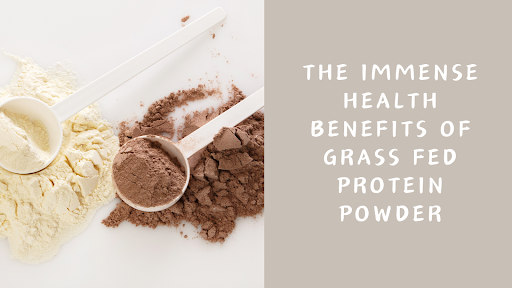
The Health Benefits of Grass
In a society increasingly mindful of health, consumers are becoming more aware of the importance of making educated decisions about their dietary choices. The growing interest in healthier and more sustainable sources of protein has put grass fed protein powder in the spotlight.
Distinct from conventional grain-fed protein powders, grass fed whey protein isolate presents a distinct nutritional profile that includes a variety of notable health advantages, such as improved muscle recovery and enhanced metabolic performance.
Nutritional Benefits of Grass Fed Protein Powder
The key distinction between grass fed and grain-fed protein powders lies in their nutritional content. Grass fed whey protein is more abundant in omega-3 fatty acids, vitamins A, E, and D, along with essential minerals like calcium and magnesium, making it a much richer source of nutrients compared to grain-fed variants. This superior nutrient density not only facilitates muscle development and recovery but also promotes enhanced overall health and well-being.
One of the remarkable aspects of organic grass fed whey protein is its elevated amounts of Conjugated Linoleic Acid (CLA) and essential amino acids, including leucine and glutamine. These nutrients are instrumental in enhancing muscle synthesis and supporting recovery after workouts, positioning grass fed protein powder as an optimal choice for athletes and fitness lovers alike.
Improved Bioavailability and Digestibility
Grass fed whey protein isolate offers advantages beyond its rich nutrient profile. It has a more natural enzyme composition that increases the bioavailability and digestibility of its nutrients. This means that the body can absorb and utilize these nutrients more effectively, contributing to overall health and less digestive discomfort often seen with conventional protein powders.
The enhanced digestibility of grass fed protein powder is particularly beneficial for those with lactose intolerance or sensitivities, as the natural enzyme blend can help alleviate digestive problems. Consequently, grass fed whey protein becomes a prime option for individuals aiming to support their gut health and immune function.
Sustainability and Ethical Considerations
In addition to the health benefits, the grass fed protein powder market reflects a dedication to sustainability and animal welfare, setting it apart from traditional protein sources. Grass fed cows thrive in a more eco-friendly farming system that nurtures biodiversity, healthy soil, and clean water.
This farming approach reduces environmental impact while ensuring that the cows are treated humanely, allowing for natural behaviors such as grazing in open pastures.
By opting for organic grass fed whey protein, consumers can make choices that align with their values, advocating for a more ethical and sustainable food system that prioritizes the well-being of the planet and its animals.
Impact on Weight Management and Metabolic Health
The advantages of grass-fed protein powder go beyond muscle growth and recovery; they play a vital role in weight management and metabolic health as well. The increased CLA levels in grass fed whey protein isolate may lead to better body composition and lower body fat, serving as a helpful companion in weight loss and maintenance efforts.
Additionally, the positive effects of grass fed protein on insulin sensitivity are beneficial for maintaining healthy blood sugar levels, which are crucial for metabolic health. Thus, by integrating grass fed whey protein into your diet, you can support your weight management goals while promoting better metabolic function.
Antioxidant Properties of Grass Fed Protein Powder
The nutritional superiority of grass fed whey protein is also evident in its antioxidant capabilities. Organic grass fed whey protein is higher in vitamins A and E, which serve as potent antioxidants, helping to minimize oxidative stress and inflammation in the body. This antioxidant protection can lead to several benefits, including quicker recovery, reduced muscle soreness, and overall better health.
Owing to its combination of enhanced nutrient bioavailability, digestibility, and antioxidant features, grass fed whey protein isolate offers a compelling option for those pursuing comprehensive health and fitness goals.
Considerations for Athletes and Bodybuilders
While the perks of grass fed whey protein extend to all health-minded individuals, athletes and bodybuilders can particularly benefit from adding it to their diets. The amino acid profile and muscle-building efficacy of grass fed whey stack up well against traditional protein powders while providing the extra benefits of greater nutrient density and improved recovery.
The amplified antioxidant content in organic grass fed whey protein can significantly aid in lessening muscle soreness and inflammation, assisting athletes and bodybuilders in recovering from strenuous training sessions effectively. This blend of performance-enhancing and recovery-boosting benefits makes grass fed whey isolate protein powder an exceptional choice for anyone aiming to enhance their athleticism and fitness journeys.
Incorporating Grass Fed Protein Powder into Your Diet
Adding grass fed whey protein to your daily regimen is simpler than you may think. The versatility of this premium protein powder lends itself to numerous cooking possibilities, from shakes and smoothies to baked items and savory meals. Whether you wish to bolster your post-workout recovery or simply wish for a healthy protein increase, grass fed whey protein isolate can be easily integrated into your meals and snacks.
Here are some suggestions for including grass fed protein powder in your diet:

When considering timing and dosage, it’s crucial to adhere to the recommendations on the product label while adjusting according to your specific needs and fitness objectives. By consistently incorporating grass fed whey protein into your diet, you can maximize the full spectrum of health benefits it provides.
Selecting the Right Grass Fed Protein Powder
As the popularity of grass fed whey protein continues to surge, it becomes increasingly important to choose a product that meets high-quality standards. Seek out organic grass fed whey protein that is soy-free, gluten-free, non-GMO, and free from added hormones to ensure you are obtaining a clean, natural product.
Furthermore, prioritize sourcing grass fed whey protein from farms committed to sustainable practices where animals are treated with care and dignity.
When selecting the ideal grass-fed protein powder, consider these essential criteria. Use the following comparison table for guidance:
| Criteria | Description |
| Source | 100% grass-fed, pasture-raised cows, higher in omega-3s, CLA, and antioxidants. |
| Certifications | Organic, non-GMO, hormone-free certifications. |
| Processing | Minimal processing, low-temperature drying, no unnecessary additives. |
| Purity | Third-party testing, clear ingredients list. |
| Sustainability | Regenerative agriculture, animal welfare, responsible land management. |
| Taste and Mixability | Pleasant flavor, smooth texture, free from clumping or grittiness. |
Selecting a premium quality grass-fed whey protein isolate means you’re investing in your health while supporting a more ethical and sustainable food system.
The health benefits of grass fed protein powder are impressive, from its superior nutrient profile to its improved bioavailability and digestibility. By choosing organic grass fed whey protein, you contribute to both your personal wellness and a more sustainable and ethical food industry.
Whether you’re an athlete, a fitness aficionado, or simply seeking to enhance your health, integrating grass fed whey isolate protein powder into your diet can prove transformative. Unlock the potential of this nutritional powerhouse and commence your journey toward improved health, athletic performance, and environmental stewardship.
Commonly Asked Questions
- Is there a noticeable taste difference between grass fed and grain-fed protein powders?
The taste variation between grass fed and grain-fed protein powders is often subtle; some users note a creamier or more natural taste in the grass fed variety. However, flavors are largely subjective, and various high-quality grass fed protein powders are engineered to be equally enjoyable as their grain-fed alternatives.
- How does the cost of grass fed protein powder stack up against traditional options, and is it worth the expense?
Typically, grass fed protein powder comes at a higher price compared to conventional grain-fed variants. Nevertheless, the long-lasting health benefits and ethical considerations often warrant the investment. Given its superior nutrient profile, enhanced bioavailability, and sustainable sourcing, grass fed protein powder can represent a worthy investment for health-conscious individuals.
- Can those with lactose intolerance or dairy sensitivities use grass fed whey protein powder?
Yes, most individuals with lactose intolerance or dairy sensitivities can usually tolerate grass fed whey protein isolate without issue. Thanks to its natural enzyme profile, grass fed protein powder enhances digestibility and lowers the chances of digestive discomfort, making it an appropriate choice for those with dietary restrictions.
Conclusion
Understanding the extensive health advantages of grass fed protein powder—ranging from its superior amino acid profile to its beneficial effects on weight management and metabolic health—is the key to unlocking its immense potential.
By transitioning to this sustainable and ethical protein source, you can embark on a path toward enhanced well-being while championing a more environmentally aware food system.


You May Also Like

The Health Benefits of Fiber
Greens Powder: Benefits and Popularity Explained