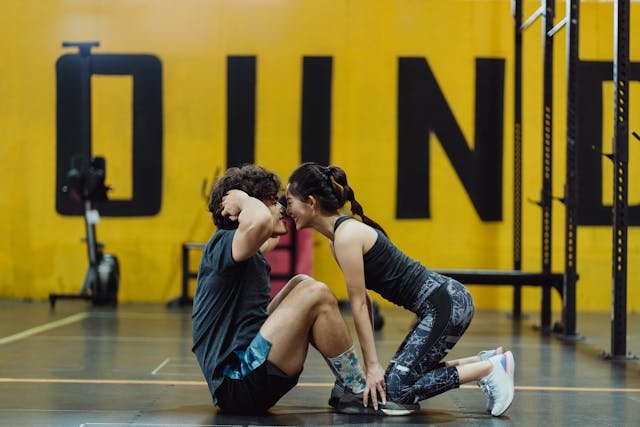
The Impact of Physical Fitness on Dating and Attractiveness
Findings from research highlight significant trends regarding human attraction and dating preferences, emphasizing the importance of physical fitness. Unless one’s approach to relationships is as a sugar daddy or mommy, attractiveness undeniably influences dating experiences, as it is a fundamental aspect of human behavior.
The Impact of Physical Fitness on Attraction and Dating Choices
Evidence suggests that men frequently show a preference for attractive faces during initial assessments, indicating a tendency to favor visually appealing partners. This tendency is less evident or entirely absent in women, hinting at distinct triggers of attraction between the sexes. The significance of physical attributes is further supported by research indicating that those who exercise regularly are viewed more favorably in terms of physical and personality traits, which includes perceived attractiveness, energy levels, sociability, and overall impact.
The relationship between body image and exercise choices provides further understanding of the motivations for engaging in physical activity. Individuals who feel less satisfied with their body image often pursue aerobic exercises, likely due to their association with weight loss. In contrast, those with a higher sense of body image generally prefer anaerobic activities that focus on muscle growth and strength. This variation highlights how self-perception influences exercise choices and aligns with aspirations related to attractiveness and body satisfaction.
Gender disparities appear concerning body satisfaction’s effect on well-being and exercise habits. Women commonly experience greater body dissatisfaction and attach more importance to their appearance regarding overall well-being. Despite these differences in perspective, the actual levels of physical activity remain fairly parallel between men and women. Among young men, a positive correlation exists between body satisfaction and physical activity engagement, which strengthens as body consciousness increases. However, such a relationship is less apparent for women and older men, signaling distinct underlying factors across various groups.
For women, increased muscular strength, believed to enhance self-image regarding power, is linked to a greater number of sexual partners. This connection may reflect societal shifts that prioritize physical strength and fitness in women as elements of attractiveness. Moreover, preferences for exercise styles and intensities vary between genders. College-aged individuals tend to favor self-directed fitness programs that combine moderate aerobic and strength training. Notably, college men exhibit a stronger preference for intense strength workouts compared to their female counterparts, emphasizing differing fitness interests by gender.
Self-Esteem, Body Image, and Societal Influences
A clear relationship exists between self-esteem and body image. An increase in overall self-esteem often correlates with a boost in body esteem. Feelings of dissatisfaction regarding body weight can lead to reduced self-esteem, highlighting the role of physical self-perception in one’s psychological welfare. When people feel perceived as attractive by others, they experience lower levels of social physique anxiety alongside heightened self-esteem. This points to the significant impact of societal perceptions on internal feelings, where external feedback shapes personal discomfort and confidence.
These insights reveal the intricate array of factors that affect attraction and dating dynamics. Physical fitness not only enhances visual appeal but also intersects with psychological aspects like self-esteem, body satisfaction, and societal perceptions. Therefore, the journey towards physical fitness serves as a means to improve both physical attractiveness and psychological health, making it an important consideration for those navigating the dating landscape.


You May Also Like
Maximizing Your Workout Effectively
Enhancing Community Health: Where to Find Outdoor Fitness Equipment for Parks