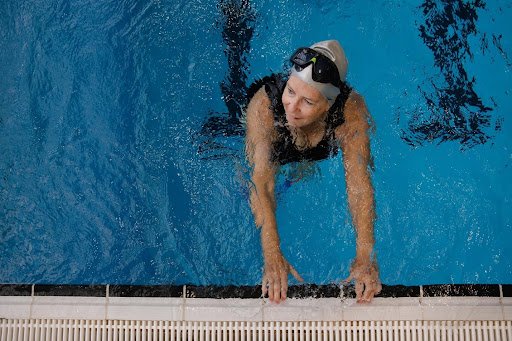
The Impact of Pool Chemicals on Lung Health: Essential Insights
Swimming is generally recognized as a beneficial physical activity; however, the chemicals involved in maintaining pools can present respiratory hazards, particularly in indoor or inadequately ventilated spaces. The agents employed to sanitize pool water can negatively affect the lung health and functionality of swimmers, pool personnel, and bystanders. Understanding these potential risks is essential for mitigating exposure and safeguarding respiratory well-being.
Chlorine and Its Byproducts
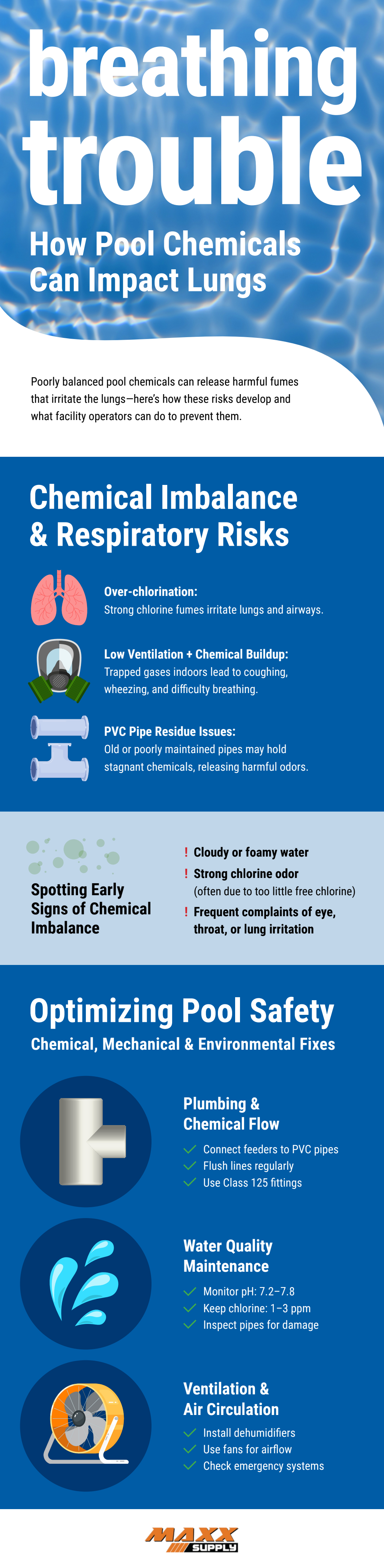
Chlorine is a widely used disinfectant in pool maintenance. Although it effectively eliminates bacteria and viruses, it can react with organic materials such as sweat, skin cells, and urine, resulting in the formation of chloramines. These chloramines are volatile compounds that can evaporate from the water’s surface, leading to irritation of the eyes, throat, and lungs when inhaled.
Indoor pools are particularly prone to the accumulation of chloramines. Inadequate air circulation can cause these compounds to build up, producing a persistent chemical odor often confused with that of chlorine. Swimmers may suffer from coughing, wheezing, or difficulty breathing during or following exposure. Individuals with asthma or other chronic respiratory issues may be especially at risk.
Potential Long-Term Consequences and Vulnerable Groups
Regular exposure to pool chemicals has been linked to alterations in lung function, notably in competitive swimmers and pool staff. Research indicates that continual exposure to chlorinated water and air may heighten the likelihood of asthma-like symptoms or exacerbate pre-existing respiratory conditions. Children, with their developing lungs and increased respiratory rates, are particularly susceptible to chemical exposure and may exhibit symptoms more rapidly.
Effective pool management practices are crucial for minimizing these risks. This includes maintaining appropriate chemical levels, ensuring efficient filtration, and utilizing components like PVC gate valves that aid in regulating water flow and system upkeep. Encouraging swimmers to take pre-swim showers and manage restroom breaks can also help decrease the amount of organic material in the pool, reducing chemical reactions.
Ventilation and Preventive Measures
Proper ventilation is vital, particularly in indoor pool facilities. Air handling systems should be designed to expel contaminated air while introducing fresh air to dilute airborne irritants. Operators of these facilities need to routinely check and maintain these systems to ensure their effectiveness.
To protect respiratory health in pool settings, a multifaceted approach that combines chemical management, infrastructure adequacy, and an awareness of individual risk factors is necessary. These strategies contribute to creating safer aquatic environments for both leisure and competitive activities. For additional information, please refer to the accompanying resources.


You May Also Like

What to Expect in the First 30 Days After Quitting Alcohol

Sober Living: Celebrate with Gifts for Yourself or a Loved One