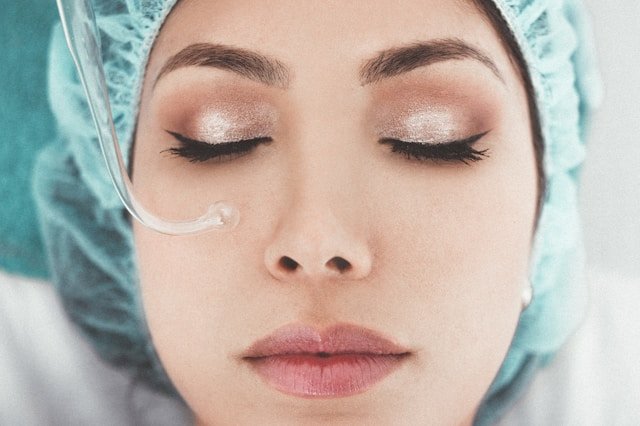
The Transformation of Cosmetic Surgery: Honesty and Natural Results
The field of cosmetic surgery has seen a significant evolution over the last five years. The era of discreet getaways paired with dramatic changes in appearance is behind us. Nowadays, the realm of aesthetic medicine encourages transparency, realistic expectations, and open dialogues about enhancement techniques. This shift denotes a deeper cultural transformation regarding our perceptions of beauty, aging, and personal enhancement.
At the forefront of this change are innovative clinics that emphasize authenticity rather than unattainable perfection. The industry’s pivot towards openness has fostered safer experiences and more realistic patient expectations, while simultaneously diminishing stigma surrounding aesthetic procedures. This newfound honesty benefits everyone, from first-time patients to established celebrities, who previously felt compelled to uphold unrealistic beauty standards without acknowledging the help they received.
The Celebrity Influence: Truths Revealed
The movement for honesty surged when high-profile celebrities began to reveal their cosmetic surgeries candidly. Instead of crediting remarkable transformations to beauty products or rigorous diets, these public figures embraced sharing their surgical stories with refreshing transparency. This openness started with minor admissions and grew into detailed accounts of surgical experiences and recovery journeys.
Chrissy Teigen made history by sharing her buccal fat removal journey on social media, illustrating both the procedure and healing process. Her candidness ignited discussions about facial aesthetics that had long been considered taboo. Likewise, Jane Fonda’s reflections on her facelift experiences and the pressures of youthful appearances in Hollywood helped normalize these discussions for women across all age groups. Male celebrities, including Simon Cowell, have also been open about their aesthetic decisions, challenging gender-related stigmas associated with cosmetic procedures.
This wave of celebrity honesty has seeped into the mainstream, empowering everyday individuals to confront their aesthetic ambitions without guilt or secrecy. Social media platforms are now filled with voices sharing their cosmetic surgery journeys, cultivating supportive spaces where inquiries receive genuine answers and outcomes—positive or otherwise—are discussed openly.
The Shift Towards Natural Outcomes
In tandem with the rise in transparency, there has been a notable shift toward achieving natural-looking results in the aesthetic industry. The time of overt surgical enhancements is giving way to subtle improvements that accentuate, rather than fundamentally alter, one’s features. This progression mirrors advancements in surgical techniques and evolving beauty standards that honor individual traits rather than imposing uniform ideals.
Contemporary patients approach consultations with requests that differ significantly from those of a decade ago. Rather than seeking to imitate celebrity looks, individuals now aspire to enhance their authentic attributes. The focus has shifted to becoming the best version of oneself, leading to transformative changes in surgical methodologies where practitioners design techniques that honor natural anatomy while addressing distinct concerns.
Cutting-edge imaging technologies enable surgeons to demonstrate realistic outcomes even before procedures commence. This technological advancement allows patients to achieve meaningful enhancements while preserving their unique features. The most successful modern results often go unnoticed by the casual observer, resulting instead in the impression that someone simply appears more refreshed, healthier, or has discovered an effective skincare regimen.
London’s Pioneering Role in Ethical Aesthetics
The Cadogan Clinic in Chelsea ranks among the premier cosmetic surgery centers globally, taking the lead in the transparency movement by establishing new benchmarks for sincere patient interactions and natural aesthetic achievements. Their protocol begins with thorough consultations in which surgeons explain not only what procedures can offer but also what they cannot provide. This dedication to realistic expectations has made them London’s go-to destination for those in search of genuine enhancements, rather than dramatic transformations.
This clinic’s philosophy centres on highlighting unique beauty rather than enforcing standardization. Surgeons receive specialized training in facial assessment techniques to discern the distinctive proportions and traits of each patient. Consequently, two individuals seeking rhinoplasty may receive entirely different surgical strategies based on their facial structures, ethnic backgrounds, and aesthetic goals. This individualized approach ensures that individuality is preserved while addressing particular concerns.
Understanding the Psychology of Transparency
The trend toward openness in cosmetic surgery reflects broader societal shifts in how we address self-improvement and personal care. Discussions surrounding mental health have made seeking professional assistance for psychological well-being commonplace. In a similar vein, cosmetic procedures are increasingly viewed within the framework of holistic self-care rather than mere indications of vanity or insecurity.
Studies suggest that patients who feel at ease discussing their cosmetic experiences tend to have better psychological outcomes after surgery. The opportunity to share their journeys, seek support during recovery, and celebrate results without secrecy alleviates anxiety and enhances satisfaction. Moreover, this level of openness allows potential patients to make informed choices based on firsthand narratives rather than relying solely on marketing materials.
The transparency movement has revealed the actual prevalence of cosmetic procedures, helping individuals recognize that they are not alone in their pursuit of aesthetic enhancement. This normalization diminishes any feelings of shame or inadequacy previously associated with the decision to undergo surgery, establishing procedures as just one of many avenues individuals may take to invest in their appearance and confidence.
Social Media’s Complex Role
Social media platforms have had a multifaceted impact on the transparency movement, presenting both opportunities and challenges for open discussions surrounding aesthetics. On the beneficial side, platforms like Instagram and TikTok have democratized information access, empowering real patients to share their experiences free from typical media filters. These authentic accounts offer crucial insights into everything from selecting surgeons to navigating recovery.
Conversely, social media can also generate new pressures and unrealistic expectations due to curated images and selective disclosures. Ethical practitioners face the challenge of countering misinformation while promoting true transparency. Leading clinics now engage with social media not for aggressive marketing attempts but for educational purposes, sharing scientifically-backed information and aligning patient expectations with realistic outcomes.
The rise of influencer culture also complicates the landscape of aesthetic transparency. Some influencers discuss their procedures openly and collaborate with reputable clinics, while others propagate unrealistic standards or endorse dubious practitioners. This reality necessitates that patients learn to differentiate genuine transparency from marketing tactics masquerading as openness.
The Commercial Benefits of Transparency
The Cadogan Clinic exemplifies this philosophy, gaining its reputation through building patient trust rather than engaging in aggressive marketing tactics. Their willingness to turn away patients whose expectations surpass what is realistic may seem counterintuitive, yet this selectivity has fostered a clientele that values integrity and reports high satisfaction rates. Long-term follow-ups indicate that patients who received straightforward evaluations express enduring satisfaction compared to those who felt misled about their procedures elsewhere.
This ethical business approach extends to pricing transparency as well. Reputable clinics now provide comprehensive quotes that encompass all treatment-related costs rather than concealing prices or introducing unexpected fees. This clarity aids patients in budgeting and lessens financial pressures imposed during recovery.
Natural Techniques Leading the Charge
The advancement of techniques promoting natural outcomes reflects years of surgical refinements and technological progress. For instance, modern facelifts consider deeper tissue layers instead of merely tightening the skin, resulting in outcomes that move along with natural facial expressions. Fat grafting methods also utilize the patient’s own tissue for restoring volume, thereby steering clear of the artificial look associated with over-inflated implants or excessive fillers.
Rhinoplasty techniques have shifted from a sole focus on reduction to preservation methods that enhance nasal appearance while maintaining functionality. Surgeons now prioritize breathing dynamics alongside aesthetics, ensuring outcomes that appear natural and serve their purpose effectively. This evolution means patients no longer have to sacrifice either appearance or function.
Breast augmentation perfectly illustrates the current inclination towards natural appearance. Rather than aiming solely for maximum enlargement, today’s patients desire enhancements that are proportional to their body frames. Surgeons now employ 3D imaging to clarify how varying implant sizes will look on specific body types, aiding patients in selecting options that uphold natural proportions.
The Significance of Non-Surgical Approaches
The transparency movement has greatly benefited non-surgical treatments, an area previously rife with unrealistic marketing. Nowadays, honest practitioners communicate openly about the maintenance required for injectables, acknowledge that results can vary based on the individual, and clarify that some concerns may necessitate surgical intervention for effective resolution. In essence, this honesty has paradoxically increased interest in non-surgical alternatives as patients embrace realistic expectations.
Leading clinics have crafted comprehensive treatment plans that may integrate both surgical and non-surgical options for optimal outcomes. Instead of promoting isolated treatments as quick fixes, practitioners assess patients holistically, which may involve recommending skincare routines or lifestyle adjustments that enhance surgical results.
The focus on natural outcomes has also shifted injection methodologies, moving away from conspicuous “pillow faces” to promoting subtle rejuvenation of youthful contours. Practitioners now receive specialized instruction in facial structure and aging cues, enabling them to foster improvements that restore youthfulness instead of creating an artificial appearance.
Educating Patients and Ensuring Informed Consent
The transparency movement has transformed informed consent from a mere legal obligation into a thorough educational journey. Influential clinics now offer extensive informational resources, including detailed procedure overviews, recovery timelines, and frank discussions of possible complications. This educational support extends beyond single encounters, continuing through the entire decision-making process.
Digital advancements have further enriched patient education via virtual consultations, 3D imaging, and augmented reality tools depicting potential results. However, ethical practitioners emphasize that these technological aids illustrate possibilities, not certainties. The most reputable clinics blend such technological resources with honest human engagement to ensure patients are well-informed about their experiences.
Patient education now incorporates alternatives to procedures, even the choice to opt-out of treatment altogether. This comprehensive strategy empowers individuals to make decisions that resonate with their values and circumstances, alleviating any pressure surrounding surgical intervention.
Global Reach of the Transparency Movement
The transparency movement that originated in markets like the UK and US has garnered international momentum, elevating standards worldwide. Countries once known for cosmetic surgery tourism based solely on affordability now compete on quality and ethical practices. This escalation in standards offers advantages for patients globally, diminishing instances of exploitation that previously characterized low-cost medical tourism.
International surgical organizations have introduced transparency guidelines that member surgeons must adhere to, fostering consistency across different regions. These standards encompass aspects such as advertising ethics and requirements for post-operative care. The outcome is a more reliable global industry enabling patients to make enlightened choices, irrespective of their geographical location.
The movement has also incited crucial discussions about cultural beauty standards and their effects on surgical practices. As ethical surgeons embrace diverse beauty ideals, they work towards developing techniques that enhance features within specific cultural frameworks instead of promoting a singular Western standard.
Looking Ahead: The Future of Authentic Aesthetics
The trend toward transparency shows no signs of abating, particularly as younger generations seek openness regarding all aspects of self-improvement. Anticipated advancements include even more sophisticated imaging capabilities, enabling patients to virtually “experiment” with potential results. However, the focus will remain on utilizing these tools to enhance rather than supplant honest dialogue.
Globally, regulatory bodies are developing stricter guidelines surrounding cosmetic surgery marketing and claims, bolstering the transparency movement through policy reforms. These regulations will assist patients in differentiating ethical providers from those making unrealistic promises. Consequently, the future landscape of cosmetic surgery is poised to reward transparency while penalizing deceptive tactics.
The integration of aesthetic procedures into conventional healthcare continues, with more medical institutions incorporating aesthetic training and hospitals expanding cosmetic departments. This trend supports transparency by aligning healthcare communication standards with aesthetic practices.
Navigating Informed Decisions in the Era of Transparency
Individuals contemplating cosmetic procedures can take advantage of the transparency movement to make well-informed choices. Begin by researching providers who demonstrate their commitment to honest dialogue through their public communications. Look for clinics that showcase typical outcomes rather than just exceptional cases, openly address potential complications, and supply clear financial information.
During consultations, observe how practitioners handle questions concerning limitations and risks. Ethical providers readily engage in these discussions rather than only highlighting positive outcomes. They should suggest alternatives, including non-invasive options or forgoing treatment, without any pressure to proceed. The best practitioners may even advise against certain procedures if expectations exceed what is reasonable.
Utilize the culture of open communication by connecting with former patients via forums or social media communities. Their insights can provide valuable perspectives that extend beyond marketing claims. However, always keep in mind that individual results may vary, and one person’s story may not predict your outcomes.
The Enduring Legacy of Transparency
The transparency movement within cosmetic surgery is more than a passing trend; it indicates a paradigm shift in societal perspectives on aesthetic enhancement. By advocating honesty about procedures, celebrating natural results, and nurturing open communication, the field has matured into a credible healthcare sector focused on patient welfare above profit.
Institutions like London’s Cadogan Clinic, along with similar establishments across the globe, demonstrate that ethical practice and business success are harmonious when patient trust takes precedence. Their dedication to transparency has raised industry standards while empowering numerous individuals to fulfill their aesthetic aspirations without sacrificing authenticity.
As we look to the future, the insights gained from this transparency revolution spill over into wider conversations about beauty, aging, and self-betterment. By eliminating shame and secrecy from aesthetic choices, we foster a healthier society where individuals can make informed choices about their appearances free from judgment or misinformation.
The future of cosmetic surgery lies not in crafting identical, artificial beauty, but in accentuating the diverse, authentic traits that shape individual identities. Through a sustained commitment to transparency, natural outcomes, and honest communication, the aesthetic industry can assist individuals in realizing the best versions of themselves—both inside and out.


You May Also Like

Healthy Circulation: Lifestyle Habits for Aging Veins

Coconut Butter vs. Shea Butter: Which Is the Superior Moisturizer?