Top Food Allergy Questions in the USA Answered by a Biochemist
Approximately 33 million people in the United States are affected by food allergies, which represents nearly 5.8% of children and 1 in every 10 adults. Alarmingly, over 50% of these adults have reported experiencing a severe allergic reaction.
Given the widespread nature of food allergies in the U.S., it’s common for individuals to turn to online resources for answers. However, the plethora of available information can often be confusing or conflicting, leaving many searching without finding clear guidance.
To assist those seeking clarity, Dr. Gill Hart, a biochemist with expertise in food allergies and sensitivities, has addressed 12 of the most commonly posed questions about food allergies in the U.S.
Introducing Dr. Gill Hart
Dr. Gill Hart is a distinguished biochemist and currently serves as the Scientific Director at YorkTest, a provider of at-home food allergy and sensitivity tests. With over three decades of experience, she has been dedicated to the creation and validation of innovative diagnostic tests and services for both hospitals and consumers.
Since joining YorkTest in 2005, Dr. Hart has played a pivotal role in developing the company into a leader in the field, assisting countless individuals in the U.S. and the UK in identifying their food allergies and sensitivities.
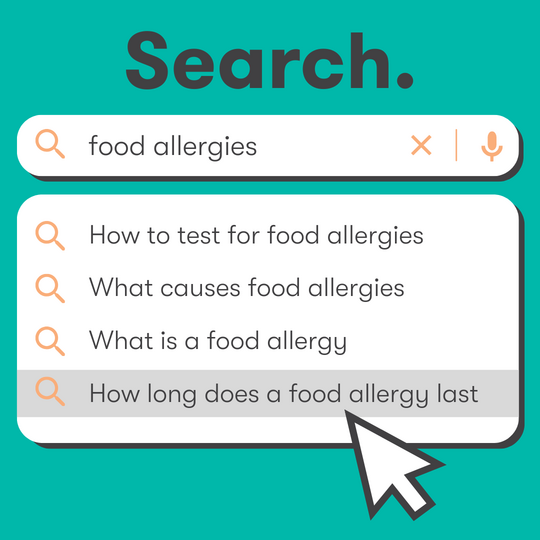
What Are The Top Food Allergy Questions by Search Volume?
The question that tops the list, attracting approximately 1000 searches per month, is “How to test for food allergies.”
Question 1: How Can You Test for Food Allergies?
Monthly Search Volume: Approximately 1000
Dr. Hart’s Response:
“Testing for food allergies can be conducted through various methods. An allergy specialist may use skin prick tests or oral food challenge tests, both of which should be administered under medical supervision. Blood tests, either from a small finger-prick or a venous sample, are also viable options.”
Question 2: What Leads to Food Allergies?
Monthly Search Volume: Approximately 800
Dr. Hart’s Response:
“Food allergies are triggered by an exaggerated response from the immune system, which can lead to life-threatening conditions. Symptoms may vary in severity, with the most serious form known as anaphylaxis.”
“The immune system works to fend off infections by using antibodies. IgE (immunoglobulin E) is the antibody that mistakenly identifies food proteins as harmful, leading to the release of immune mediators, which cause symptoms like airway constriction, swelling, and chest tightness. Blood tests for food allergies typically measure IgE antibody levels.”
Question 3: How is a Food Allergy Defined?
Monthly Search Volume: Approximately 700
Dr. Hart’s Response:
“A food allergy is characterized by immediate and potentially deadly reactions to certain foods, wherein the immune system is activated by substances that should ordinarily be safe.”
Question 4: What Is the Duration of a Food Allergy?
Monthly Search Volume: Approximately 700
Dr. Hart’s Response:
“Many food allergies emerge during childhood but can also appear in adulthood. Allergies that develop during adulthood typically persist for life, necessitating ongoing avoidance of the allergenic food.”
Question 5: What Is the Appearance of a Food Allergy Rash?
Monthly Search Volume: Approximately 600
Dr. Hart’s Response:
“A rash resulting from a food allergy usually presents as red, raised, and itchy. If the food has been ingested, the rash may develop on any part of the body that has come into contact with it, including the lips, tongue, throat, hands, or arms. The resulting inflammation and swelling can be quite serious.”
Question 6: What is the Most Common Food Allergy?
Monthly Search Volume: Approximately 350
Dr. Hart’s Response:
“While there are over 170 foods that can trigger allergic reactions, nine major allergens deserve particular attention: peanuts, tree nuts, wheat, milk, eggs, fish, shellfish (including crustaceans and mollusks), sesame, and soy.”
Question 7: How Long Do Symptoms Last?
Monthly Search Volume: Approximately 200
Dr. Hart’s Response:
“Once exposure to the allergenic food ceases, symptoms may persist for several hours or days. Severe symptoms require urgent medical intervention to resolve.”
Question 8: What Distinguishes a Food Allergy from a Food Intolerance?
Monthly Search Volume: Approximately 200
Dr. Hart’s Response:
“Food allergies trigger an immediate and potentially dangerous response upon contact with the allergen, while food intolerances typically manifest slowly and cause chronic issues such as digestive disorders or headaches, but are not life-threatening.”
Question 9: How Can One Eliminate Food Allergies?
Monthly Search Volume: Approximately 150
Dr. Hart’s Response:
“In certain cases, children’s allergies may diminish as they grow older, though this is not guaranteed. Sadly, there is currently no known cure for food allergies; the best approach is to avoid foods that trigger a reaction.”
Question 10: What Is the Onset Time for Food Allergies?
Monthly Search Volume: Approximately 150
Dr. Hart’s Response:
“Symptoms of food allergies can appear within minutes of ingestion, necessitating immediate action. Sometimes, an initial wave of symptoms may subside only to be followed by a second onset within a few hours, known as a biphasic reaction.”
Question 11: Why Is There an Increase in Food Allergies Today?
Monthly Search Volume: Approximately 100
Dr. Hart’s Response:
“Numerous theories exist surrounding the increase in food allergies, but one significant factor may involve changes in our gut health, where approximately 70% of our immune system resides. Modern dietary habits differ vastly from those of past generations, and reduced early exposure to microbes may lead the body to overreact to otherwise harmless proteins, resulting in allergic responses.”
Question 12: What Are Common Symptoms of Food Allergies?
Monthly Search Volume: Approximately 100
Dr. Hart’s Response:
“Within minutes of consuming an allergenic food, individuals may experience swelling in the lips, face, or eyes, along with itchy skin and a raised rash. Additional symptoms can include vomiting, abdominal discomfort, diarrhea, difficulty breathing, lightheadedness, or a feeling of impending doom. Given the rapid progression of symptoms, prompt medical attention is crucial.”
Conclusion
Navigating food allergies can be complex, but staying well-informed is key. Whether you are experiencing food allergies or providing support to someone who is, it’s important to remember that you are not alone—millions share this challenge. By being knowledgeable and taking the proper precautions, you can manage allergies successfully and focus on what truly matters in life.
For additional tips and resources on managing allergies and sensitivities, check out the YorkTest blog for expert advice on understanding your symptoms.


You May Also Like

From Pan to Plate: A Guide to Choosing Cooking Oil

The Importance of Simplicity in Nutrition for Wellbeing