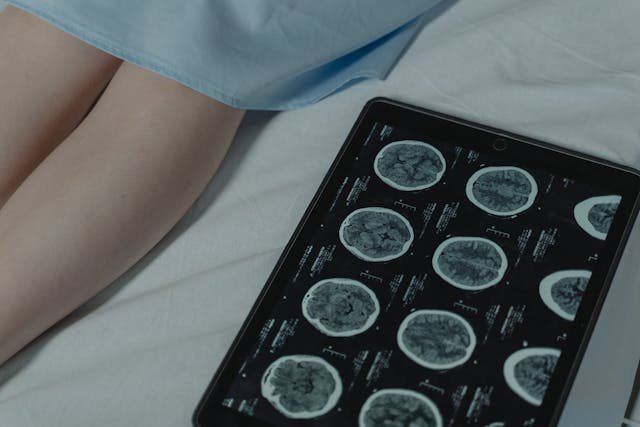
Understanding the Support Needs of Individuals with Acquired Brain Injury
A brain injury transforms life significantly, not only for the individual affected but also for their loved ones. Families often describe the time following the diagnosis as disorienting, characterized by the presence of someone they cherish who feels fundamentally changed, while the support systems intended to assist them seem either daunting or inaccessible.
Comprehending what acquired brain injury (ABI) entails and recognizing effective support strategies is an essential initial step.
Understanding Acquired Brain Injury
Acquired brain injury is a broad term that encompasses any brain damage that occurs postnatally. This includes both traumatic injuries resulting from accidents, falls, or violence, as well as non-traumatic events like strokes, hypoxia, encephalitis, and brain tumors. In contrast to progressive neurological disorders like Parkinson’s or dementia, ABI does not follow a set trajectory.
Individuals with injuries to the same brain area may exhibit vastly different symptoms, and the same person can show considerable variation in abilities from one week to the next.
This level of unpredictability is particularly challenging for families to come to terms with, as there is often no definitive prognosis or recovery timeline. While some individuals might achieve significant recovery, others may encounter a plateau in their rehabilitation.
Many individuals experience advances in certain areas while facing ongoing difficulties in others; this is not a sign of failure but rather a reflection of how the brain adapts post-injury.
Diverse Challenges in Recovery
The ramifications of an acquired brain injury span a wide range, impacting physical, cognitive, emotional, and behavioral aspects concurrently. For instance, a person may retain good mobility yet struggle severely with memory and cognitive processing. Conversely, one may experience significant physical limitations but remain emotionally strong. There is no universal profile for ABI survivors.
Physical issues might include fatigue, weakness, chronic pain, as well as balance and coordination problems, which are often the most visible challenges, yet they may not be the most debilitating. Cognitive impairments, such as impaired concentration, memory deficits, difficulties with planning, and slowed processing, often have a more profound effect on daily functioning than physical impairments alone.
Emotional and psychological challenges are prevalent and frequently underestimated.
Conditions like depression, anxiety, emotional instability, and difficulty regulating frustration can emerge following brain injury. These do not stem from character flaws or lack of will but are instead neurological consequences of the injuries themselves, responding positively to appropriate interventions.
The Evolving Nature of Support Needs
It is crucial to recognize that the requirements for supporting someone with an acquired brain injury are not static. In the acute phase after the injury, the primary concern is often medical stabilization and initial rehabilitation. As the individual transitions to community living, the focus shifts to mastering daily tasks, gaining independence, and adapting to a new identity.
Years following the injury, support needs may shift again. Some individuals who manage well in their twenties may struggle in their forties as the brain ages and resources dwindle. Others may encounter setbacks triggered by changes in circumstances, such as a family death, relationship issues, or moving home, necessitating renewed support. Long-term assistance is not about creating dependency.
It aims to establish frameworks that enable individuals to thrive throughout their lives. This is why inflexible care models often fall short for those with brain injuries. Effective care must be adaptable, frequently assessed, and tailored to the individual rather than solely based on their diagnosis.
Essential Insights for Families
Many families enter the phase after discharge feeling ill-prepared. While hospital teams provide crucial care immediately following an injury, the transition back home is often poorly supported. Families commonly find themselves trying to navigate service options without a clear understanding of available resources or their loved one’s specific needs.
The emotional burden of this situation falls heavily on those closest to the individual. Caregivers frequently express feelings of grief, isolation, and fatigue, particularly when emotional changes alter the dynamics of their relationships. Support for caregivers, whether through short respite, peer connections, or psychological help, is not a luxury but a necessary component of comprehensive care.
Many individuals are acutely aware of their hurdles and are deeply motivated to lead fulfilling lives. Effective support honors this, prioritizing the individual’s aspirations and collaborating with professionals who have a thorough understanding of the nuances of brain injury rehabilitation.
Charting a Course for Progress
Life after a brain injury does not follow a single set pattern. Each person’s recovery and adjustment process is unique, with support needs evolving over time. What remains consistent is the importance of having knowledgeable and experienced individuals alongside the affected person and their family.
Families who receive specialized guidance early on tend to feel more assured in their choices. Although the journey is rarely straightforward, having the right expertise can significantly reduce feelings of isolation.


You May Also Like

Joint

Is Teeth Whitening Safe with Gum Recession?