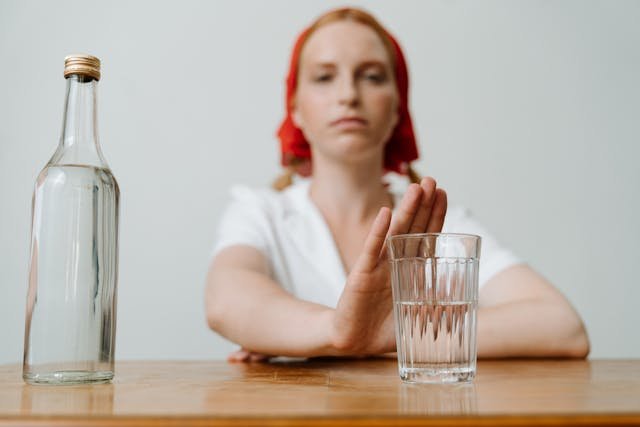
What to Expect in the First 30 Days After Quitting Alcohol
Giving up alcohol isn’t necessarily the most challenging thing one can undertake, but it’s certainly not the simplest. Dependence on alcohol affects both physical and mental health, meaning that cessation comes with both bodily and psychological effects that detox participants must navigate. A common question arises: what follows the detox phase?
Whether opting for home detox or a residential treatment program, the initial 30 days without alcohol will be filled with obstacles. In most cases, individuals will navigate acute withdrawal symptoms within the first week. However, this is typically followed by a longer period of emotional fluctuations and challenges that impact various aspects like sleep, energy, and mood.
The positive aspect is that from the second week onward, individuals generally start to experience gradual improvements in both mental and physical health. This progress continues well into the fourth week and beyond.
Days 1-3: Acute Withdrawal
While this article primarily focuses on the 30 days following detox, it’s crucial to address what occurs during the detox stage itself. The initial days are vital as they lay the groundwork for the entire recovery process.
Withdrawal symptoms typically manifest within 6-12 hours after the last drink, peaking around 24 to 72 hours later. Common early symptoms include:
- Feelings of anxiety and irritability
- Tremors
- Sweating, nausea, and headaches
- Disrupted sleep patterns
- A heightened sense of tension
Those entering detox with a higher addiction level are at greater risk for severe complications, such as hallucinations, seizures, and delirium tremens, which may necessitate medical intervention.
In a clinical environment, individuals are monitored throughout detox. Their hydration and comfort are prioritized, and medications may be provided to alleviate withdrawal symptoms when needed.
Days 4-7: Alleviation of Symptoms
Typically, withdrawal symptoms peak by the third day following the last alcoholic drink. By day four, signs of withdrawal begin to subside. However, some symptoms can persist for a week or more, so expecting to feel completely normal in the first week would be unrealistic.
During the days spanning from 4 to 7, feelings of irritability and anxiety might linger. Your mood may not be as elevated as you hoped, and sleep quality might still be compromised. It’s critical to remind yourself that gradual improvements are on the horizon.
Sleep disturbances are common during the initial week, with many experiencing frequent awakenings or trouble falling asleep. By the end of the week, you should start to see more regular sleep patterns emerge, alongside clearer thinking and increased energy.
Weeks 2-3: Physical and Mental Adjustments
Upon entering the second week of recovery, most acute withdrawal symptoms should have dissipated. The second and third weeks signify a time of physical and mental shifts. During this period, individuals may encounter post-acute withdrawal symptoms (PAWS), which include low motivation, mood fluctuations, and ongoing sleep challenges.
Cravings often surface during this time, contributing to feelings of anxiety and irritability. Fortunately, these cravings, while sometimes intense, generally begin to wane as you approach the end of the third week or the beginning of the fourth.
Physically, noticeable progress should be evident. Expect improvements in digestion, which might lead to some weight loss and reduced bloating. Clearer skin is also reported by many during this phase. Emotionally, prepare for a bit of an emotional rollercoaster, with instances of high energy interspersed with fatigue and cognitive fog.
Weeks 3-4: Stabilization
As sleep typically improves by the third or fourth week, individuals often reach a more stable phase. Decreased anxiety and mood issues, along with less intense cravings, are common indicators of progress. Physically, you should observe improvements in blood pressure and other cardiovascular measurements by the end of the fourth week.
However, it is worth noting that some individuals might still wrestle with mental health concerns like depression and cognitive challenges even beyond this timeframe. These mental health issues can persist for several months but can be effectively managed with professional assistance.
30 Days and Beyond
If you manage to reach the 30-day milestone without alcohol, you’re likely on a promising path toward lasting recovery. Achieving success hinges on a strong support network and effective aftercare. Support can be found through family, friends, and recovery groups, while aftercare services are available through professionals and support networks.
Integrating healthy sleep habits into your routine post-30 days is crucial if you haven’t already. Good sleep hygiene involves establishing a consistent sleep schedule, minimizing screen exposure in the hour before sleep, and engaging in a calming pre-bedtime routine.
Your achievements within the first 30 days following detox play a significant role in shaping a new, alcohol-free lifestyle. If you’re considering detox, it’s essential to understand the journey ahead and set realistic objectives for yourself. Approach this process with determination and commitment.


You May Also Like

Mascaras Hidden Dangers: Prioritizing Eye Health in Beauty Discussions

Recognition of Medical Cannabis in the UKs Health Industry