What Winter Water Hazards Threaten Your Kids?
Water safety is not a seasonal concern, and parents must remain vigilant even as temperatures drop. While the summer months often draw heightened attention to safe practices around pools and beaches, winter introduces its own set of unexpected dangers that can mislead families. Unfortunately, drowning continues to be a leading cause of death among young children throughout the year, and the colder months can present subtly hazardous situations that require your awareness.
Common Yet Overlooked Risks
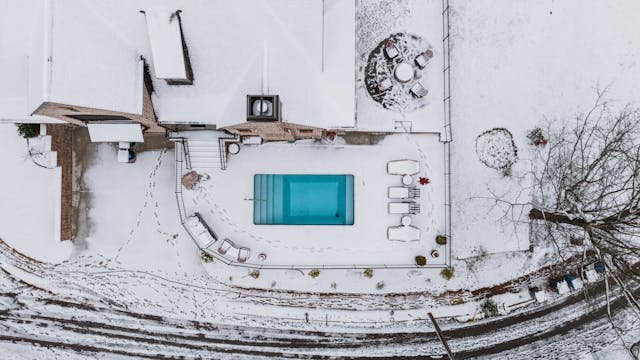
Pool covers can be a hidden threat
The tarp covering your backyard pool is not a secure surface. Wet and sagging pool covers can quickly ensnare a curious child underneath, creating a perilous situation that can go unnoticed. Just a small amount of standing water on top, combined with the weight of the cover, can become lethal for a disoriented child.
Holiday vacations can disrupt focus and routines
Imagine being at a resort during winter holidays: adults enjoying drinks while children scurry between the pool and the hot tub, with everyone assuming that others are keeping an eye on things. This diffusion of responsibility—often referred to as the “bystander effect” by safety experts—creates openings for accidents to occur. Hot tubs also carry additional dangers, including risks of overheating and drain entrapment, particularly for younger kids.
Frozen bodies of water may not be safe
Just because it has been cold for some time doesn’t mean the ice is safe to traverse. Ice thickness can vary dramatically across a body of water, with currents, springs, and sunlight creating weak spots that may not be visible from land. Each winter, tragedy strikes when children fall through ice that seemed secure moments before.
A Crucial Safety Protocol
Always appoint a “Water Watcher” whenever children are present near any body of water. This individual—who must be alert, sober, and free from distractions like phones or engaging conversations—should maintain direct supervision at all times. No exceptions are allowed, whether it’s during a quick bathroom trip, while fetching towels, or checking messages. When their supervision period concludes, ensure a physical handoff of responsibility to the next adult. This approach mitigates the dangerous misconception that someone is monitoring the situation when, in reality, no one is.
Use Winter as a Learning Season
What many parents overlook is that winter can be an excellent time to cultivate water safety skills. Instead of waiting for warmer weather to enroll your children in swim classes, consider starting now. Indoor pools typically maintain pleasant temperatures throughout the year, making winter lessons an ideal opportunity. Consistent training means your child will be better equipped with vital survival skills by the time summer arrives.
Learning to float, reach for pool edges, and navigate through water with confidence builds a layer of protection that supplements supervision. These practical skills can mean the difference between panic and self-rescue during the critical moments when something doesn’t go as planned.
SwimRight Academy advocates for this ongoing approach, focusing on establishing foundational water skills through a structured, progressive curriculum that helps transform hesitant beginners into confident swimmers. The aim isn’t flawless performance; it’s about being prepared.
Water safety is a year-round concern. Ensuring your family’s safety hinges on understanding that vigilance, education, and proactive skill acquisition create a comprehensive defense strategy, regardless of the season. Make this winter an opportunity to invest in enhancing your children’s water competencies—before they encounter a situation where it’s needed. Their safety should never be viewed as seasonal, nor should their training.