Which Foods Promote Healthy Eating?
Nourishing our bodies with healthy food is essential for maintaining our overall health and long-term wellness. The selection of appropriate foods can greatly enhance your daily life, aiding in the prevention of various health conditions while boosting energy levels. It’s essential to understand what factors to consider for a truly nutritious and balanced daily diet.
Stay Adequately Hydrated
Maintaining proper hydration is crucial for a healthy lifestyle. Water is vital for the body’s optimal functioning, supports essential metabolic processes, and aids in detoxification. Aim to drink at least 1.5 to 2 liters of water each day, and increase your intake during hot weather or periods of increased physical activity.
Incorporate Healthy Fats
Fats are an integral part of your diet, but making the right choices is key to your health. It’s best to steer clear of trans fats commonly found in many processed items and instead focus on unsaturated fats, which promote heart health and help regulate cholesterol levels. Here’s what to consider including in your meals:
- Olive oil: rich in monounsaturated fatty acids and antioxidants.
- Nuts and seeds: like almonds, walnuts, chia, and flax, which offer healthy fats and proteins.
- Avocado: provides essential healthy fats along with fiber.
- Oily fish: such as salmon, mackerel, and sardines, which supply beneficial omega-3 fatty acids with anti-inflammatory properties.
Limit Sugary and Salty Foods
Excessive sugar and salt intake can contribute to serious health issues, including hypertension, obesity, type 2 diabetes, and heart disease. Here are some suggestions to eat healthier by cutting down on sugar:
- Steer clear of sugary and carbonated beverages.
- Replace pre-made sweets and desserts with healthier options.
- Check product labels carefully to avoid hidden sugars often found in processed foods.
Opt for Natural and Minimally Processed Foods
To build a healthy diet, focus on minimally processed foods that still maintain their natural qualities. Highly processed items frequently contain artificial additives, preservatives, colors, and excessive sugar that can harm your health. When shopping, follow a simple guideline: the fewer ingredients listed on the label, the better it is for you.
Prioritize Quality Proteins
Proteins are fundamental building blocks of the body, making it crucial to consume them in appropriate amounts and types. What should you include in your meals?
- Lean meats: such as chicken or turkey, providing complete proteins with lower fat content.
- Fish: particularly fatty fish like salmon, mackerel, and sardines, which are rich in omega-3 fatty acids.
- Eggs: a fantastic source of protein and healthy fats.
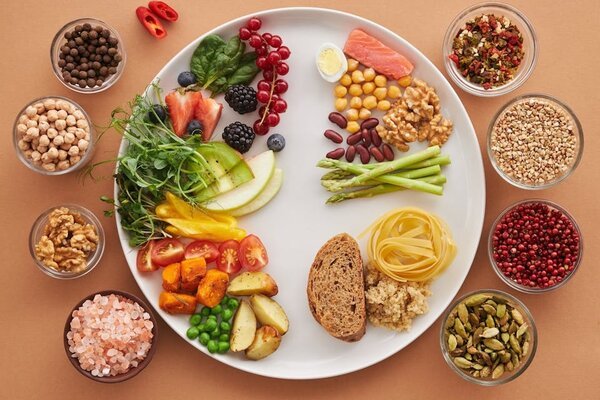
- Legumes: including beans, lentils, and chickpeas, which are excellent plant-based protein sources along with fiber.
- Dairy products: choose options like yogurts, kefirs, and cheeses, preferably those with lower fat levels.
Fruits and Vegetables – Essential Components of Your Diet
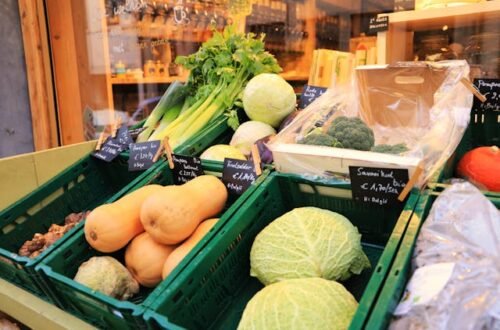
Fruits and vegetables are vital for a healthy diet, offering a wealth of vitamins, minerals, and fiber while being low in calories. They should feature in every meal. Opt for a diverse range of fruits and vegetables, as each variety provides unique and valuable nutrients. Consuming fresh, seasonal produce will ensure you receive the highest nutritional value.
Want to Eat Healthier? It’s Simple!
Eating healthily involves not only selecting the right foods but also being mindful of what we consume. If you’re eager to embrace healthier eating habits and introduce nutritious products into your meals, consider exploring the offerings at 4ecoshop.


You May Also Like

The Hidden Influences on Our Food Cravings

The Impact of Egg White Protein on Performance