Whitening Teeth with Gum Recession: Is It Possible?
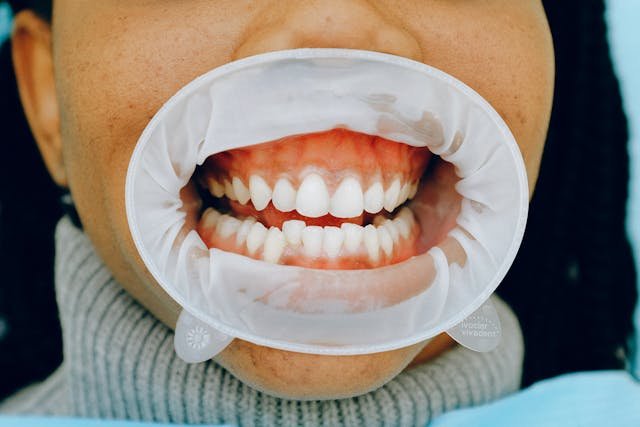
A bright smile ranks among the most sought-after cosmetic dental procedures in Australia. However, if you experience gum recession, you might be questioning the safety and feasibility of teeth whitening. The answer is affirmative: whitening is possible even with gum recession, but it should be conducted cautiously and with professional oversight.
Before commencing any whitening regimen, it is crucial to evaluate your gum condition with a qualified dental team, such as Clover Dental. Gum recession alters tooth structure and exposes areas that react differently to whitening substances, making a customized approach essential.
Below, we delve into what gum recession entails regarding whitening, the associated risks, and how to safely enhance your smile.
Understanding Gum Recession
Gum recession arises when the gum tissue retracts from the tooth, revealing more of the tooth and occasionally the root. This process can occur gradually and may not be immediately noticeable. Common causes include:
- Periodontal (gum) disease
- Aggressive brushing techniques
- Teeth grinding or clenching
- Natural aging processes
- Orthodontic adjustments
- Genetic predispositions
As gums recede, the protective enamel may not cover the entire visible tooth surface, leading to exposure of the underlying dentine.
Impact of Gum Recession on Whitening
Teeth whitening treatments primarily target enamel. Professional whitening products contain peroxide-based ingredients that seep into the enamel to dissolve stains. However, root surfaces exposed due to gum recession behave differently for the following reasons:
- Root Surfaces Whiten Unevenly – Tooth roots are protected by cementum, which is thinner and more porous than enamel. While it absorbs whitening agents more rapidly, it does not lighten consistently, and in many instances, roots may not lighten noticeably.
- Heightened Sensitivity – Gum recession can lead to increased tooth sensitivity as dentine is connected to the nerves through tiny tubules. Whitening products may temporarily exacerbate this sensitivity.
- Potential for Gum Irritation – Contact with whitening gel on compromised gum tissue may lead to irritation or discomfort, particularly with over-the-counter products lacking custom-fitted trays.
Is Whitenining Safe with Gum Recession?
In many instances, yes, provided a thorough dental assessment is conducted first. Considerations include:
- Is the gum recession stable or progressing?
- Is there an active gum disease?
- What is the extent of your tooth sensitivity?
- Are the exposed roots large?
Should gum disease be present, it is advisable to delay any whitening treatments until it has been addressed. Dental health must always take precedence over cosmetic procedures. A dentist might also suggest desensitizing treatments prior to whitening to alleviate discomfort.
Choosing Between Professional and At-Home Whitening
For individuals with gum recession, opting for professional whitening is highly recommended over store-bought kits.
Professional Whitening
- Custom trays minimize gel contact with gums
- Controlled concentration of the whitening gel
- Monitored treatment duration
- Options for desensitizing treatments
- Adjustments based on sensitivity levels
Over-the-Counter Kits
- Generic trays that may not fit well
- Higher chances of gum irritation
- No professional oversight
- Risk of inconsistent results
Accuracy is crucial with gum recession; poorly fitting trays could allow whitening gel to accumulate around exposed areas, leading to irritation and increased sensitivity.
Addressing Sensitivity During Whitening
If your dentist approves whitening, they might suggest:
- Using desensitizing toothpaste for 2-4 weeks prior to treatment
- Spacing out treatments
- Shortening whitening sessions
- Using lower concentration whitening gel
- Applying fluoride or remineralizing agents post-whitening
Even patients without gum recession may experience temporary sensitivity, yet these strategies can significantly alleviate discomfort.
Alternatives If Whitening Isn’t Appropriate
In certain situations, whitening may not produce the desired effects, especially if the exposed roots are darker than the enamel. Other cosmetic solutions may include:
- Composite Bonding – Tooth-colored resins can be applied to roots for a more uniform appearance.
- Veneers – For complex cosmetic issues, veneers can offer consistent coloration and coverage.
- Gum Grafting – In cases of severe recession, a gum graft may be recommended for both aesthetics and protection before considering whitening.
A detailed consultation is crucial for your dentist to recommend the best approach in line with your oral health and aesthetic aspirations.
When to Refrain From Whitening
It is advisable to avoid teeth whitening if you have:
- Active gum disease
- Severe, untreated sensitivity
- Extensive exposed roots
- Cracked enamel
- Chronic gum inflammation
Whitening should always be a final step in a comprehensive oral health strategy.
Maintaining Oral Health After Whitening
If you move forward with whitening, it is vital to protect your gums while preserving the results:
- Use a soft-bristled toothbrush
- Avoid aggressive brushing
- Schedule regular professional cleanings
- Consider a night guard for grinding if necessary
- Limit consumption of stain-causing foods and beverages
Most importantly, keep monitoring your gum health; gum recession cannot heal on its own, so preventing further deterioration is crucial.
Conclusion
Yes, it is possible to whiten your teeth with gum recession, but it requires careful, professional oversight. Always prioritize gum health. A personalized assessment will ensure that the whitening process is both secure and effective while minimizing sensitivity and safeguarding the exposed root areas.
If you contemplate whitening and have observed receding gums, schedule a consultation first. With the correct approach, achieving a brighter smile without jeopardizing your long-term dental health is entirely feasible.


You May Also Like

Vitamin Deficiencies and Gray Hair: Key Insights on Their Connection

Transforming Damaged Hair: The Science Behind Olaplex